 English
Obtener la licencia de conducir es un logro importante, y el examen práctico de manejo es el paso final crucial en este proceso. Ya sea que conduzcas por primera vez o te mudes al estado de Nueva York, comprender en qué consiste el examen práctico de manejo es fundamental para aprobarlo. Esta guía completa detalla todo lo que necesitas saber sobre el proceso de examen, los requisitos y las estrategias de preparación.
Comprender los fundamentos de la prueba de manejo
La prueba práctica de manejo es un examen oficial realizado por un examinador certificado del DMV para evaluar su capacidad de conducir un vehículo de manera segura y competente. A diferencia del examen teórico para obtener el permiso de conducir, que evalúa su conocimiento de las leyes y reglamentos de tránsito, la prueba práctica de manejo se centra en las habilidades prácticas de conducción y la aplicación de estas normas en situaciones reales.
Componentes clave de la evaluación
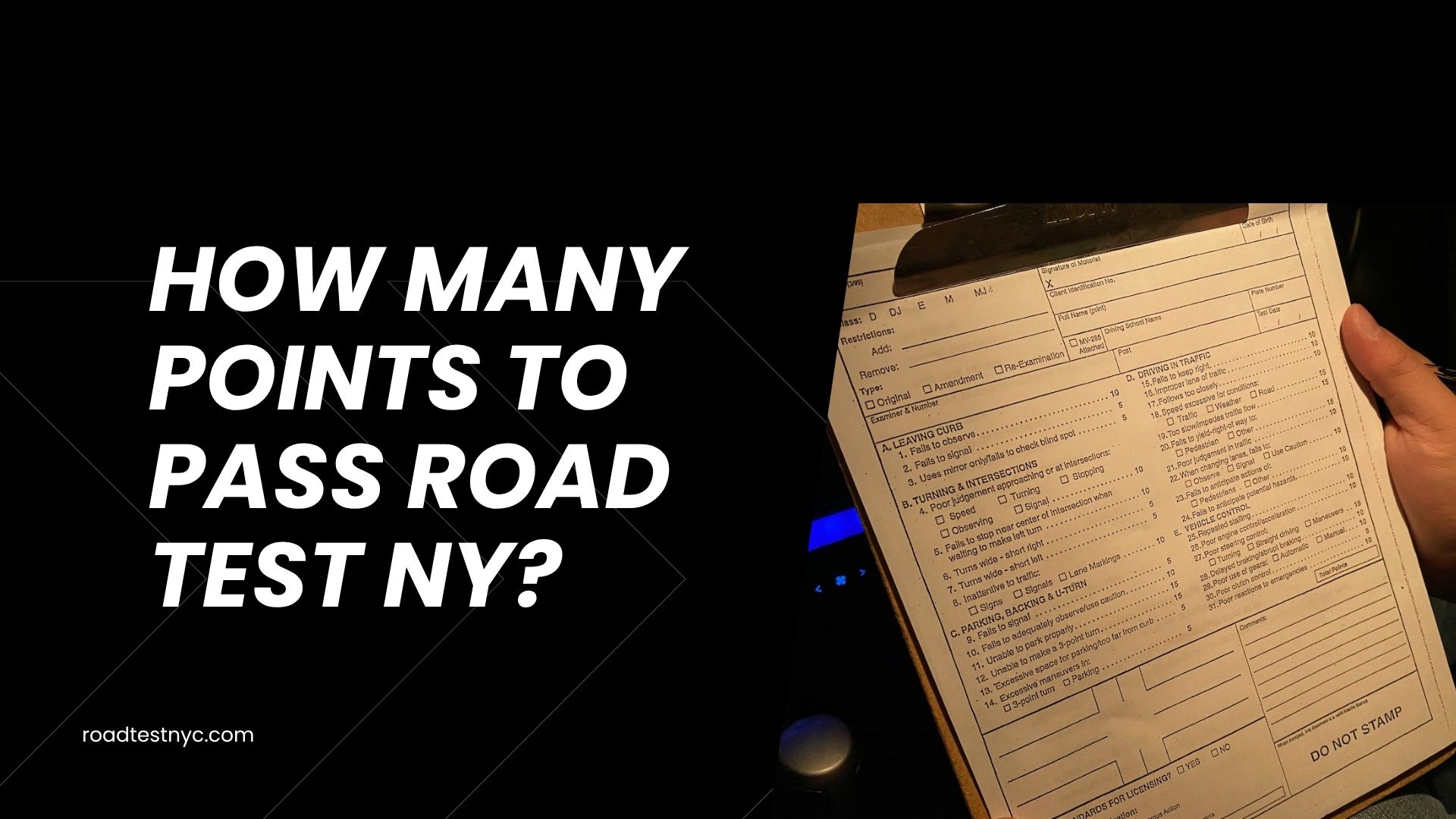
Durante la prueba de conducción, el examinador evalúa varios aspectos críticos de su capacidad al volante:
|
Categoría de habilidad |
Ejemplos de tareas evaluadas |
|
Control básico |
Dirección, aceleración, frenado |
|
Habilidades técnicas |
Estacionamiento en paralelo, giros de tres puntos, cambios de carril |
|
Concienciación sobre la seguridad |
Revisión de puntos ciegos, uso de espejos, aplicación de señales |
|
Gestión del tráfico |
Navegación en intersecciones, respeto a la prioridad de paso |
|
Comportamiento general |
Distancia de seguimiento, control de velocidad, cumplimiento de las señales de tráfico |
Requisitos previos para realizar la prueba de manejo
Antes de programar su examen, debe cumplir varios requisitos importantes:
Requisitos de edad y documentación
Para poder realizar la prueba de manejo en el estado de Nueva York, usted debe:
- Tener al menos 16 años de edad
- Poseer un permiso de aprendizaje válido
- Completar un curso previo a la obtención de la licencia aprobado por el estado (curso de 5 horas).
- Si eres menor de 18 años, conserva tu permiso durante un mínimo de seis meses.
Documentación requerida
Al llegar para el examen, deberá traer:
- Tu permiso de aprendizaje con foto válido
- Certificado original del curso de prelicencia (MV-278) o certificado de finalización del estudiante (MV-285)
- Certificado de Conducción Supervisada (MV-262) si es menor de 18 años
- Un conductor con licencia de 21 años o más con licencia válida para operar el vehículo de prueba
Requisitos del vehículo
El vehículo que utilice para la prueba debe ser:
- Debidamente registrado y asegurado
- Display valid inspection stickers
- Be in good mechanical condition
- Have working safety features including:
- Properly functioning brake lights
- Working turn signals
- Clean windshield with functioning wipers
- Properly adjusted mirrors
- Functional horn
Pro Tip: While any qualifying vehicle can be used for the test, it's strongly recommended to practice with and use the same vehicle you'll be testing in. This familiarity can significantly improve your confidence and performance during the examination.
¿Necesitas un coche para tu examen de manejo?
Llevamos un vehículo listo para el DMV a tu sitio de examen y te damos una vuelta de calentamiento antes de que suba el examinador. Dinos la hora de tu cita y nos encargamos del resto.
📞 +1 (929) 243-9547Lun-Sáb: 9 AM - 7 PM
Components of the Road Test: What to Expect During Your Examination
Vehicle Inspection and Safety Check
Before you begin the actual driving portion, your DMV examiner will conduct a thorough vehicle inspection. This preliminary evaluation ensures your vehicle meets all safety requirements and is suitable for testing purposes.
Required Vehicle Checks
The examiner will verify:
|
Safety Component |
Inspection Details |
|
Lighting Systems |
Headlights, brake lights, turn signals |
|
Safety Features |
Seat belts, horn, emergency brake |
|
Vehicle Documents |
Registration, insurance, inspection stickers |
|
Essential Equipment |
Windshield condition, mirror adjustments |
Note: Failing the vehicle inspection will result in immediate test cancellation, requiring rescheduling and potentially additional fees.
Basic Driving Skills Assessment
The core of your road test evaluates fundamental driving abilities that demonstrate your readiness to operate a vehicle independently.
Starting and Stopping Techniques
Proper vehicle control begins with mastering basic operations. Your examiner will evaluate:
- Smooth acceleration from a stopped position
- Gradual braking to full stops at intersections
- Appropriate stopping distance behind other vehicles
- Complete stops at stop signs (minimum three-second duration)
Steering and Speed Management
Vehicle control encompasses several critical elements:
"Maintaining proper speed isn't just about staying under the limit," explains Ashley, a New York DMV worker. "It's about adapting to road conditions, traffic flow, and maintaining consistent control of your vehicle."
Key aspects include:
- Speed control appropriate for conditions
- Lane positioning during straight driving
- Smooth steering through turns
- Maintaining proper following distance
Advanced Maneuvers Testing
This section evaluates more complex driving skills that demonstrate your overall competency.
Parallel Parking Procedure
The parallel parking maneuver remains one of the most challenging aspects of the road test. Your examiner will assess:
- Proper signal usage before beginning
- Distance assessment and initial positioning
- Steering control during the maneuver
- Final parking position (within 12 inches of curb)
Three-Point Turns and Lane Changes
These maneuvers test your spatial awareness and traffic management abilities:
Three-Point Turn Evaluation:
- Proper road position before beginning
- Appropriate steering angles
- Complete awareness of surroundings
- Smooth execution of all steps
Lane Change Assessment:
- Proper mirror usage
- Blind spot checks
- Signal application timing
- Smooth transition between lanes
Safety Awareness and Traffic Management
Your ability to interact safely with other road users forms a crucial part of the evaluation.
Intersection Navigation
When approaching and passing through intersections, examiners evaluate:
- Proper scanning techniques
- Right-of-way understanding
- Turn signal usage
- Appropriate stopping positions
Hazard Awareness
Demonstrating awareness of potential hazards is essential:
"We're not just looking for technical skills," notes a senior DMV examiner. "We need to see that new drivers can anticipate and respond to potential dangers before they become actual problems."
Key elements include:
- Continuous scanning of surroundings
- Appropriate response to pedestrians
- Recognition of traffic sign instructions
- Proper following distance maintenance
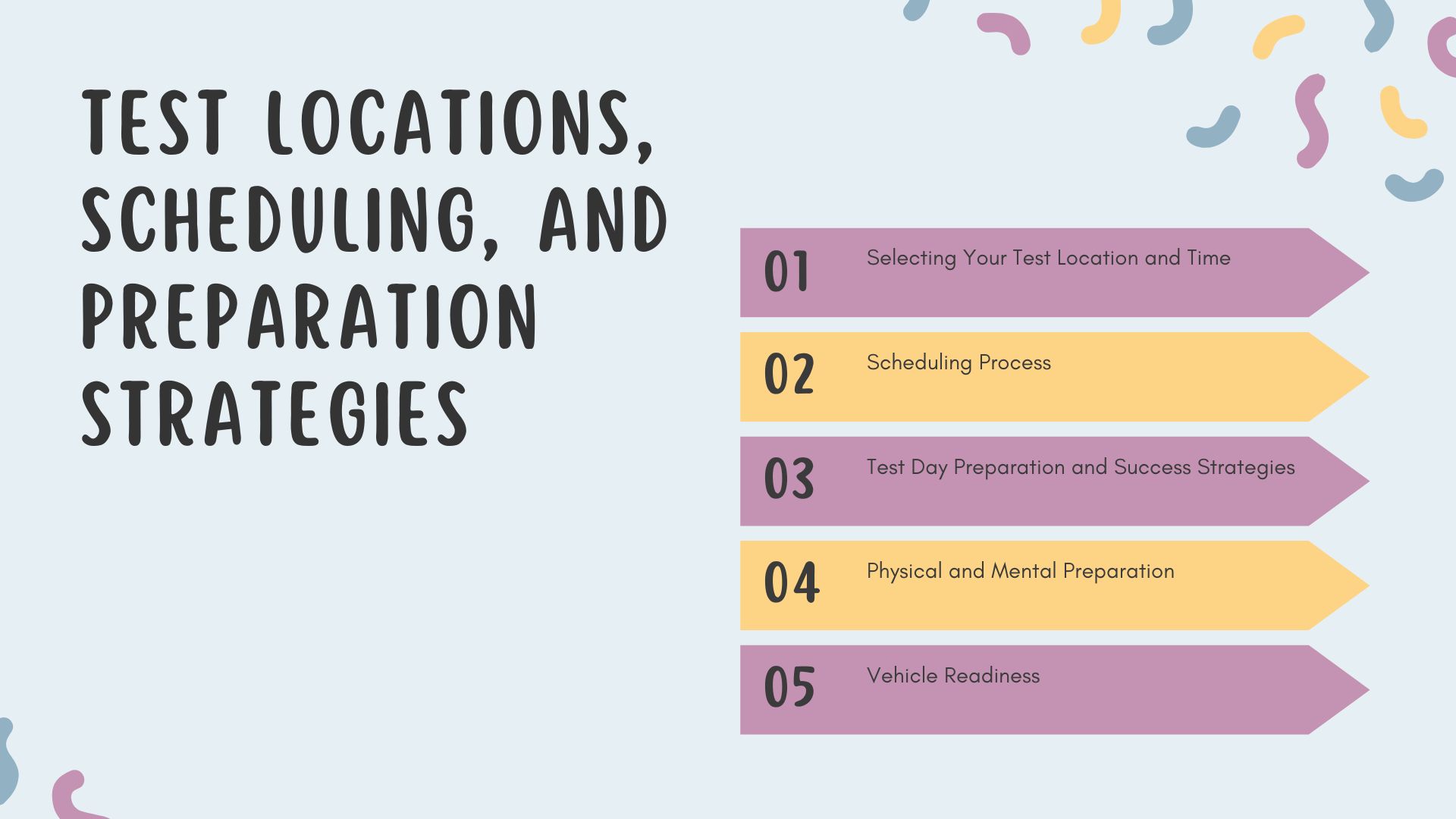
Test Locations, Scheduling, and Preparation Strategies
Selecting Your Test Location and Time
Choosing an appropriate testing location and scheduling your road test requires careful consideration and advance planning. The New York State DMV offers testing sites throughout the state, with availability typically ranging from 3 to 5 weeks in advance.
Scheduling Process
The DMV's scheduling system offers testing slots based on your provided ZIP code. During peak periods, particularly summer months and school breaks, waiting times may extend up to 10 weeks. To schedule your test, you'll need:
- Valid New York State learner permit
- Unexpired Pre-licensing Course Certificate
- Your preferred testing location ZIP code
- At least one unused road test attempt
Important: Tests are predominantly scheduled on weekdays, with Saturday appointments being extremely rare.
Test Day Preparation and Success Strategies
Physical and Mental Preparation
Proper preparation extends beyond driving skills. Consider these essential elements:
- Get adequate rest the night before
- Consume a light meal prior to testing
- Arrive 15 minutes before your scheduled time
- Maintain a positive, focused mindset
Vehicle Readiness
"Using a familiar vehicle significantly increases your chances of success," advises a DMV instructor. "The last thing you want is to struggle with unfamiliar controls during your test."
Ensure your testing vehicle is:
- Clean and well-maintained
- Fully functional with all required safety features
- Properly registered and insured
- Recently inspected for potential issues
Understanding Results and Next Steps
Evaluation Process
The road test evaluation follows specific criteria established by the New York State DMV. Examiners assess your performance based on:
- Adherence to traffic laws
- Driving skills demonstration
- Safety awareness
- Overall vehicle control
After Passing the Test
Upon successful completion, you'll receive:
- An interim license for immediate driving privileges
- Your photo driver license by mail within two weeks
- Information about the probationary period for new drivers
If Retesting Is Required
If you don't pass on your first attempt:
- Your learner permit remains valid until expiration
- You must wait at least 7 days before retesting
- Additional fees may apply after two failed attempts
Conclusion: Your Path to Success
Becoming a licensed driver represents a significant achievement and responsibility. Success on your road test requires:
- Thorough preparation and practice
- Complete understanding of testing requirements
- Attention to both technical skills and safety awareness
- Proper documentation and vehicle preparation
Remember that the road test evaluates your readiness to join the millions of licensed drivers on New York's roads. While the process may seem daunting, proper preparation and understanding of requirements will significantly increase your chances of success.
"The key to passing isn't just about memorizing maneuvers," emphasizes a senior DMV examiner. "It's about demonstrating that you can be a safe, responsible member of the driving community."
By following the guidelines outlined in this comprehensive guide and maintaining a focused, prepared approach, you'll be well-positioned to achieve your goal of becoming a licensed driver in New York State.
Remember: Your road test is not just a hurdle to overcome but an opportunity to demonstrate your readiness for the responsibility of driving. Take pride in your preparation and approach the test with confidence in your abilities.
¿Necesitas un coche para tu examen de manejo?
Llevamos un vehículo listo para el DMV a tu sitio de examen y te damos una vuelta de calentamiento antes de que suba el examinador. Dinos la hora de tu cita y nos encargamos del resto.
📞 +1 (929) 243-9547Lun-Sáb: 9 AM - 7 PM
FAQ
-
How long does the road test typically take?
A standard New York State road test typically takes between 15 to 20 minutes from start to finish. This duration includes the initial vehicle inspection and documentation check, followed by the actual driving portion. However, you should plan to arrive at least 15 minutes before your scheduled time and expect to spend approximately an hour total at the testing location to account for check-in procedures and post-test processing.
-
What are the most common reasons people fail their road test?
The most frequent cause of road test failure relates to inadequate observation techniques during critical maneuvers. This particularly includes failing to check blind spots during lane changes and insufficient mirror usage. Another significant factor is incomplete stops at stop signs, where candidates often perform "rolling stops" instead of coming to a full three-second stop. Parallel parking difficulties and improper speed management also contribute substantially to test failures. The key to avoiding these issues lies in thorough practice and maintaining consistent awareness throughout the examination.
-
Can I use a driving school's car for my road test?
Yes, you can absolutely use a driving school's vehicle for your road test. Many driving schools offer specific packages that include vehicle rental for the test, along with a brief warm-up lesson beforehand. These vehicles typically come equipped with the necessary dual controls that examiners prefer, and driving school instructors ensure all documentation and vehicle requirements meet testing standards. However, you should book this service well in advance as availability can be limited, especially during peak testing seasons.
-
What happens if it rains or snows on my test day?
Road tests generally proceed in light rain or snow, as these conditions represent real-world driving scenarios. However, the DMV may cancel tests during severe weather conditions that could compromise safety. If your test gets canceled due to weather, the DMV will notify you and automatically reschedule your appointment for the next available date. You won't lose your testing fee or be penalized for weather-related cancellations. It's advisable to check the DMV's website or call their weather hotline on the morning of your test if conditions seem questionable.
-
Are there any restrictions after passing the road test?
After passing your road test, you'll receive a probationary license that comes with certain restrictions. During the first six months, new drivers under 18 cannot drive between 9 PM and 5 AM without supervision, except for specific purposes like work or school. Additionally, you're limited in the number of non-family passengers under 21 you can transport. These restrictions vary based on your age and location within New York State, with additional limitations applying to drivers in the New York City metropolitan area.
-
How many times can I retake the road test if I fail?
There isn't a limit to the number of times you can retake the road test in New York State. Your initial application fee covers two test attempts. If you need additional attempts, you'll need to pay a new fee for each subsequent pair of tests. Remember that you must wait at least seven days between attempts, and your learner's permit must remain valid throughout the testing period. This waiting period provides an opportunity to practice and improve on the areas where you experienced difficulties during your previous attempt.
-
Does the exam route change, or is it always the same?
Cada centro de pruebas suele tener varias rutas predeterminadas que los examinadores recorren de forma rotativa. Si bien estas rutas generalmente abarcan elementos y habilidades similares, pueden variar en detalles y desafíos específicos. El DMV mantiene intencionalmente varias rutas para garantizar que los aspirantes demuestren una verdadera capacidad de conducción, en lugar de patrones memorizados. Por lo tanto, es más beneficioso concentrarse en desarrollar sólidas habilidades de conducción en general que intentar memorizar una ruta específica. El examinador le proporcionará instrucciones claras y anticipadas durante toda la prueba, independientemente de la ruta que elija.
-
¿Qué pasa si cometo un error durante el examen? ¿Significa eso que suspendo automáticamente?
No todos los errores resultan en un suspenso automático. Errores menores, como un ligero sobreviraje o tardar demasiado en aparcar en paralelo, pueden conllevar la deducción de puntos, pero no necesariamente el suspenso. Sin embargo, ciertas infracciones graves, como saltarse un semáforo en rojo, provocar una maniobra evasiva de otro vehículo o chocar contra un objeto, resultarán en la finalización inmediata del examen. Lo fundamental es mantener la calma ante un error menor y seguir demostrando una conducción segura durante el resto del examen.